The University for All Student Partnership Programme: A Case Study in Student Co-creation, Empowerment, and Inclusion
Lucie Bevazaha, Daniel Elliott, Vaishnavi Kannan, Eleanor O’Kelly, Sofia Mashkantseva, Amaliia Shmyhovska, Elin Stüer
University College Dublin
Case Study. 2026, Vol. 4(1): 120-135.
https://doi.org/10.65621/YDHB5531
ABSTRACT
This article describes the University for All Student Partnership Programme at University College Dublin: the context in which it operates in, why it exists, what it does, and how it works. In doing so, it provides a case study for how to meaningfully empower students as partners in the work of making universities more inclusive through strategic institutional change initiatives. It spotlights the two major projects of the Programme: the Incluza-Palooza festival and the Module Accessibility Review as examples of co-creation in action. The former is an adaptation of an event that is run every year and the latter is a new project the Student Partners designed, implemented, and reviewed themselves. Next, this article assesses some of the challenges the programme encountered throughout its work as a relatively young programme in a large and complex organisation. Finally, next steps for the Programme are outlined along with some of the key components for practitioners to use to establish similar co-creation initiatives with students.
KEY WORDS
student co-creation, partnership, collaboration, UDL, inclusion, accessibility
Introduction and Context
Student partnership in higher education has been defined by Cook-Sather, Bovill, and Felten (2014) as a ‘collaborative, reciprocal process through which all participants have the opportunity to contribute equally, although not necessarily in the same ways, to curricular or pedagogical conceptualisation, decision making, implementation, investigation, or analysis’ (pp. 6-7). Developing active student partnership challenges universities to move beyond engaging students through more traditional understandings of student representation and student feedback to actively share power with students and co-create with them (Bovill, 2019; Healey and Healey, 2019). Active partnership is built on three core principles of Respect, Reciprocity, and Responsibility (Cook-Sather et al., 2014). It requires the development of trust, no small amount of moving outside of our collective comfort zones, and the creation of safe spaces for this to happen (Healey and Healey, 2019).
While much of the literature focuses on structures for supporting successful partnership, Gauthier (2020) argues that while these are important, they must be accompanied by a shift in mindsets of the faculty/staff involved. There needs to be a readiness and willingness to share power and disrupt traditional roles and ways of working. Only if faculty/staff involved are empowered to do this can they then empower students to create effective and successful partnerships. The authors agree with N-TUTORR colleagues when they state that: ‘effective student-staff partnerships have the power to bring about transformational change in higher education spaces in a way that is meaningful, sustainable’ (Carroll, 2023, p. 2). Approaches to student partnership naturally fit with Universal Design for Learning through its encouragement of reflective practices, empowering learners, and collaborative learning.
The University for All Student Partnership Programme was established in the Autumn trimester of 2023. The Programme was created to actively involve students in decision making and initiatives supporting access and inclusion in University College Dublin (UCD). University for All is a whole-institution, evidence-based approach to mainstreaming inclusion in UCD, ensuring that all students feel welcome, belong, and are valued, led by UCD Access and Lifelong Learning. The initiative embeds inclusion across the university, further developing UCD’s capacity to attract, retain, and develop its diverse student population. UCD Access and Lifelong Learning has a dual role in supporting widening participation of underrepresented students and supporting the implementation of University for All. The various projects under this initiative are implemented with and informed by the principles of Universal Design for Learning (UDL) (CAST, 2024). UDL is an evidence-based framework to improve the learning experience and outcomes for all students by introducing more flexible methods of teaching, assessment, and service provision to cater for diverse learners. UCD has seen widespread adoption and implementation of UDL thanks to the work of the University for All Partnership Programmes for Faculty and Professional Staff established in 2021, and the high numbers engaging with UDL training through the Digital Badges in Universal Design for Teaching & Learning, and Beyond the Classroom (Fleming, Padden, and Elliott, 2024; Fleming et al., 2025). Due to the successes of the Partnership Programmes for Professional Staff and Faculty, a Programme that gives students similar input and capacity for institutional change was developed. The Programme emerged alongside a wider drive from the university to engage student voices informed by the framework developed by NStEP (2022). Alongside the Programme, there are other student-focused initiatives, including world cafes, focus groups, and student forums. All of these initiatives come together to form a wider spirit of collaboration, where students actively participate in shaping the university through the co-creation of initiatives, plans, and goals (UCD Teaching & Learning, 2024, 2025; UCD Arts & Humanities, 2025).
The Student Partners are chosen from applicants across all colleges in UCD, aiming to create a cohort that represents the broadest possible range of students. Once in the Programme, Student Partners are trained in UDL as it is integral to co-creation. Rather than designing projects that would only benefit specific students, projects are designed to identify and remove barriers. This way, all students can engage with the university equally. This knowledge and Student Partners’ perspectives facilitate their unique involvement within UCD initiatives, as they are able to highlight both the barriers experienced by students and create solutions based on the knowledge of UDL. UCD’s student population is increasingly diverse, now with over 40% of undergraduate students being drawn from one or more target access groups (Fleming et al., 2026). As such, an increasing variety of barriers to student engagement are identified by students, which require creative, universally designed solutions. Each year, Student Partners take part in a variety of activities designed to increase student engagement, gather student feedback, and highlight the work of the Programme and wider University for All and Access and Lifelong Learning projects. All of the work is co-created and falls within a wider aim of fostering strong relationships with students and other units in the university through consistent communication. Student Partners are trained to deliver UDL training to fellow students and staff. They provide feedback for proposed UCD initiatives and development projects by taking part in focus groups and review sessions and organise yearly events with a clear remit to plan their own projects.
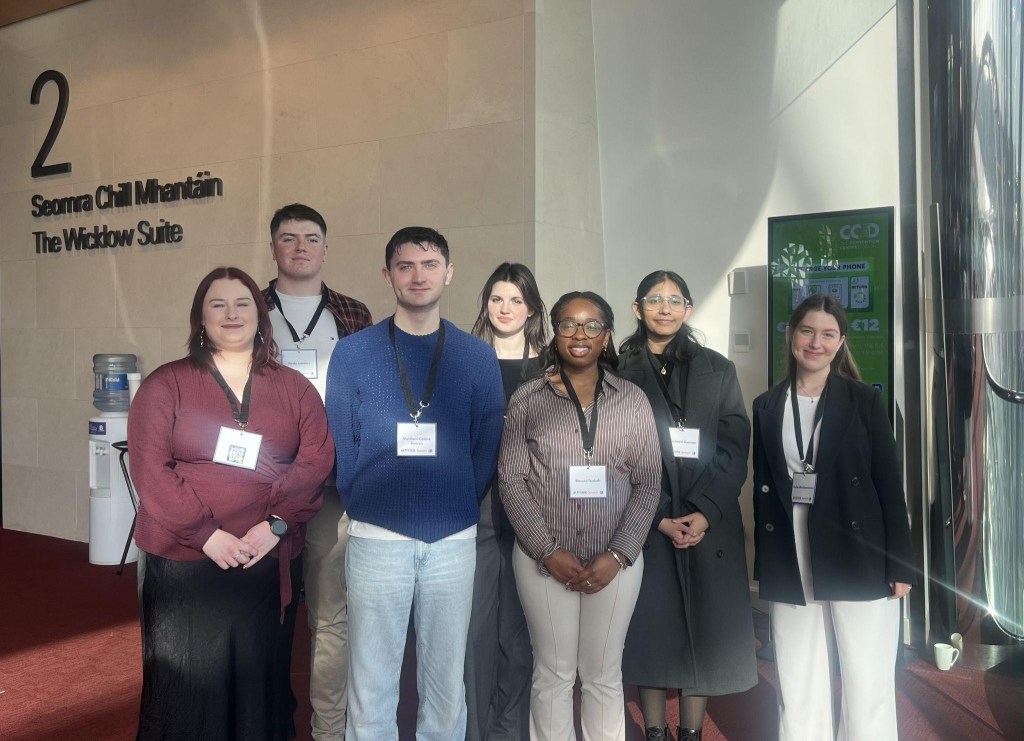
Figure 1: Student Partners at the AHEAD Conference March 2026 where they presented their work. Source: Authors’ own.
Continue Reading
Key Components of Co-creation
Throughout the recruitment process, it is made clear that the most important part of the Partnership Programme is good teamwork and open communication. All continuing students are invited to apply, with applications opening each spring and new Student Partners starting in the following academic year. Rather than submitting a CV and cover letter, interested students submit a short application highlighting their relevant experience, their motivations for applying, and what skills they think they can bring to the Programme. Shortlisted applicants are invited to a ‘group interview’ morning and engage in a variety of teamwork exercises with a review panel scoring their engagement with the tasks, creativity, their ability to work as part of a team, and their communication and interpersonal skills. A new element included in the group interview sees applicants work through a brief UDL scenario and present the challenges and solutions as a group. These activities facilitate cooperation and collaboration early on, giving new Student Partners a taste of more co-creation to come and introducing them to UDL.
From the start of the Programme, a huge emphasis is put on effective collaboration and co-creation between students and staff. As the projects within the Programme are aimed towards students, it is crucial that the involved Student Partners feel comfortable sharing their own opinions and ideas. Research into student-staff collaboration has often pointed to the difficulty of true partnership, as definitions usually ‘imply a level of equality between partners, something which can be challenging to achieve in universities, where staff often have greater power’ (Bovill, 2019, p. 386). To hopefully reduce these inequalities, certain measures are taken to empower students. Student Partners are paid for any work done to ensure fairness and make it clear that their time is perceived as valuable. Student interns in UCD Access and Lifelong Learning act as a way to bridge the gap between students and staff, as they are both students and staff at the same time and can help the Student Partners feel more comfortable opening up and contributing.
In order to create an environment that invites open communication and discussions, the first sessions of the Programme each year focus heavily on team-building exercises, in which students and staff both take part in icebreakers. Discussions and ideas are first encouraged through guided brainstorming exercises, such as creating mind maps in pairs. While students are assured from the start that the Programme is a safe space for all ideas and feedback, there is also an awareness that ‘partnership is considered not so much as an outcome, but as an aspiration and a set of principles to inform more equitable ways of working that enable greater student agency’ (Bovill, 2019, p. 386). Therefore, many of the Programme’s biggest events are held in the second semester, when they are more comfortable working together and bringing in their own ideas and criticisms.
Student agency and co-creation are encouraged through the structure of the Programme. From the application process, it is made clear that students can get involved in events in the ways that best suit their skill set. Student Partners can choose which projects they want to work on and which parts they want to focus on. These tasks range from hosting events, creating accessibility guidelines, facilitating UDL training, or creating promotional materials like posters and social media posts. In 2025/2026, for example, the students were able to choose whether they wanted to work on Incluza-Palooza or Module Accessibility Review, which both offered many different opportunities. Within these project groups, they are often able to take the lead, with either a Student Partner or the student intern leading meetings and delegating work. By giving students the opportunity to both use their already existing skills and to choose to take on a challenge, the Programme allows for the development of important personal and professional skills. It is also acknowledged that students are particularly busy during certain times of the trimester, and engagement is only expected insofar as workloads permit.
Incluza-Palooza
In 2024, Student Partners organised a University for All Roadshow designed to promote inclusive practices and raise awareness of the University for All initiative on campus. As part of the Roadshow, the Student Partners engaged in an awareness-raising campaign to promote the University for All Survey. This survey is conducted every four years to measure students’ perceptions of inclusion at UCD across the four pillars of the University for All initiative: teaching & learning, student support & services, physical campus & built environment, and IT infrastructure. Student Partners led a social media campaign to encourage students to complete the survey, engaging them in street interviews asking, ‘What’s your UCD ick?’, which were shared on Instagram. Students were asked to complete the survey and incentivised with University for All merchandise and treats. As a result of this campaign, the survey had a high response rate, with 2,116 students completing it.
As the Student Partners have taken more ownership of it over the past two years, the Roadshow has evolved into Incluza-Palooza, an Inclusive UCD Week with a festival theme aimed at promoting inclusivity on campus. While keeping the objective of collecting student feedback on inclusive spaces at UCD, Incluza-Palooza also included some new features, such as a ‘main stage’ event with face painting, prize draws, bracelet making, and quizzes and games to test students’ UDL knowledge. This event was created to attract more student engagement with the topics of inclusion and accessibility, introduce students to UDL, and show that inclusion is about building a place where every person can enjoy being themselves and have fun with others.
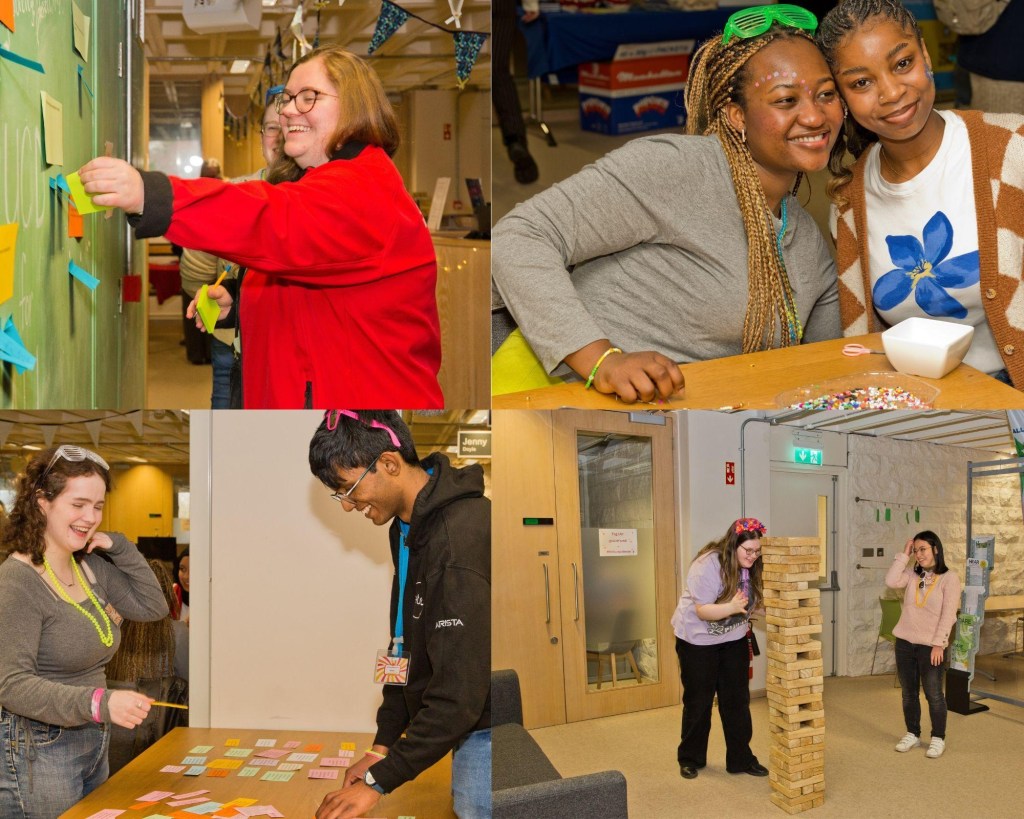
Figure 2: Incluza-Palooza 2025. Source: Author’s own.
This year, Incluza-Palooza grew even bigger to five events featuring different activities throughout the week. The main meeting point with the Student Partners was a pop-up event, where they greeted almost 200 students to strengthen the presence of University for All on campus. Student Partners asked students about features that they find inaccessible in their modules and distributed free merchandise. This event helped the Programme to collect data to inform decision-making on its future work and direction. Moreover, some activities were run in collaboration with various UCD societies, which helped the Programme draw more attention to inclusivity. The events included mindful colouring, a NaviLens treasure hunt, a coffee social, a table quiz, and a hackathon. Student Partners carefully planned each activity to spread certain values on the UCD campus. For instance, the coffee social, accompanied by ice-breaking ‘this-or-that’ questions and fun crafts, was held to give the students a place to communicate with each other, take a break from study stress, and learn more about inclusion. The treasure hunt gave students exposure to the accessible wayfinding app; NaviLens (UCD Access and Lifelong Learning, 2025). The Hackathon played a crucial role in the overall development of an inclusive campus, as students were asked to design sensory spaces. The competition promoted the value of collaboration and helped Student Partners collect interesting ideas that students presented through different means of engagement, such as posters, 3D models, paper, and even Lego prototypes. The Student Partners are currently exploring making the winning team’s idea a reality. Each Student Partner contributed significantly to the success of Incluza-Palooza by working collaboratively and taking responsibility for specific aspects of the event. From ideas to overseeing on-site operations, Student Partners were involved in co-creation and played a key role at every step.
The main goal of these events throughout the years was to promote accessibility, inclusion and the activity of University for All and the Programme in particular. To achieve this, advertising campaigns were implemented through various channels, including email, short videos, and posters on social media and across campus buildings. Student partners also provided regular updates on events through Instagram stories. This approach helped Student Partners engage more students than in previous years and achieve higher reach, with all students participating in the activities leaving positive feedback and saying they enjoyed learning more about inclusion in such an interactive way.
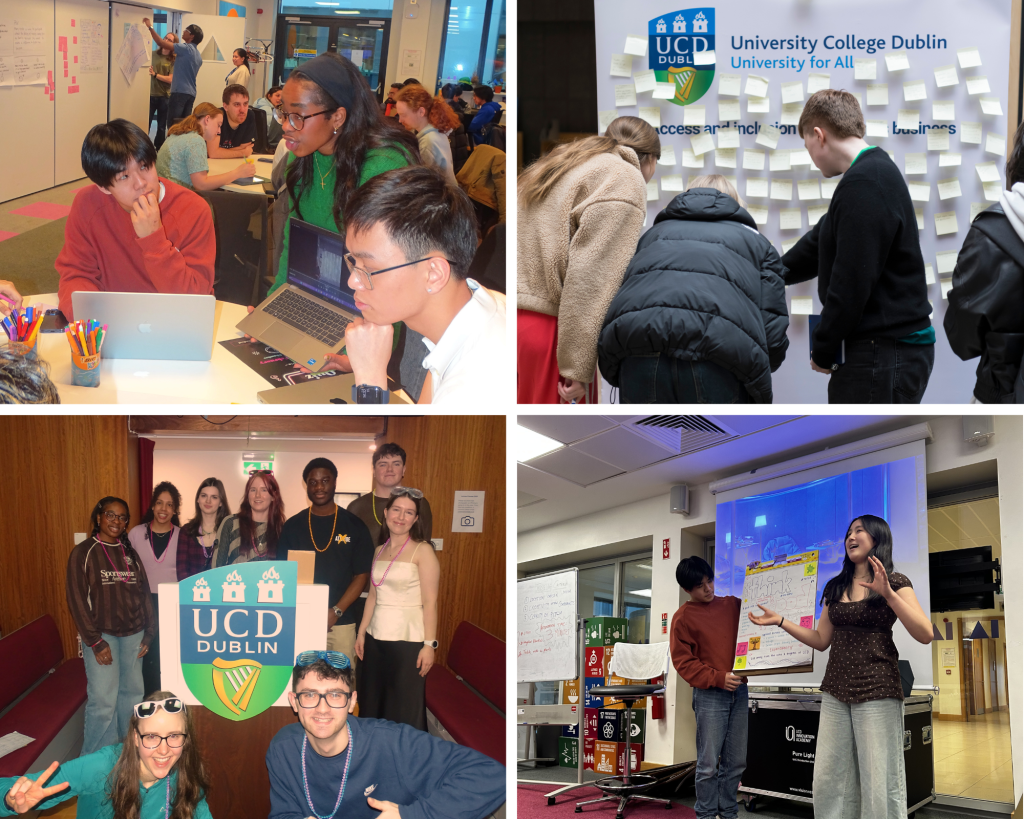
Figure 3: Incluza-Palooza 2026. Source: Author’s own.
Module Accessibility Review
Accessibility of module content is often raised as a concern by students in discussions about UDL. With over 7,891 modules on UCD’s virtual learning environment, Brightspace, and nearly 1,600 module coordinators in UCD, students are frequently presented with inconsistent approaches to learning content. As Student Partners wanted to contribute to enhancing module accessibility, the idea of a module accessibility review evolved throughout 2025. Original plans were ambitious but were scaled down to make it more manageable and to ensure faculty buy-in. A reverse mentoring approach was adopted for this project (Cain, Goldring, and Westall, 2024), whereby Student Partners would act as mentors for faculty on module accessibility. Reverse mentoring can address traditional power imbalances between students and university staff and faculty (O’Connor, 2023; O’Connor et al., 2025).
The Module Accessibility Review was implemented as a pilot project to encourage conversation between students and faculty regarding accessibility issues with module content. To encourage faculty participation in the project, Student Partners contacted module coordinators whose modules they had previously completed. The voluntary participation helped establish a collaborative environment where the faculty felt confident enough to openly engage with the review process. Each review was conducted by two students: one who had completed the module, who therefore acted as a primary communicator, and a second reviewer from a different discipline, whose opinion gave a fresh perspective on the content and the accessibility of the module.
The project was structured around two in-person meetings between the Student Partner and the module coordinator, as well as the review of the accessibility of the module. The first meeting acted as an introduction to the aims of the project and the main principles of UDL, and allowed Student Partners to understand the context from the module coordinators’ perspective. During the meeting, the Student Partner and the faculty member discussed the areas of the review that the module coordinator wished to prioritise during the process and agreed on the desired outcomes. Before the meetings, Student Partners were provided with preparatory workshops in order to develop communication and facilitation skills. This proved to be crucial in developing a strong dialogue between faculty and the students, as the Review is intended not to frame the review as judgment or critique of the modules and the personal teaching methods of faculty.
Following the first meeting, access to module content and materials was granted, and initial assessments were conducted by both student reviewers independently using separate Excel sheets to document findings. To accurately assess the accessibility of the modules, an accessibility checklist was used. The checklist assessed several accessibility areas, such as module organisation, learning materials, assessment design, and navigation within Brightspace. For learning materials, attention focused on readability of the text, which includes the choice of font, sizing of the text, the colour contrast, alternative text for images, and the use of descriptive hyperlinks. The review also assessed the organisation of the materials within Brightspace and the methods for students engaging with the materials. Both modules showed clear strengths, such as the use of multiple means of engagement, like podcasts and videos, when providing mandatory readings. However, several recurring issues were documented, namely, inconsistent formatting, inaccessible colour contrast, and the absence of alternative text for visual materials.
Findings from the review were presented by the Student Partner and collaboratively discussed with the module coordinator during the second meeting. The process created an opportunity to improve their modules, as well as forward the information gained to the fellow teaching staff. The Review demonstrated the potential for a dialogue between the teaching staff and students on accessibility issues, with the project’s plan to expand the choice of modules for future reviews from different disciplines.
A summary of initial findings was prepared by the Student Partners and presented to the University Widening Participation Committee, with further plans to review more modules in the coming academic year and possible alignment with other teaching and learning initiatives. A short interactive resource has been developed for faculty for the creation of accessible lecture slides (UCD University for All, 2026).
Challenges
The success of the Programme projects was not without challenges. Those challenges, while specific to UCD, are representative of common issues in implementing student partnership programmes in higher education, from collaborating with different stakeholders to tackling pre-existing ideas about teaching in higher education (Bovill et al., 2016). Upon entering the Programme, the Student Partners are trained in UDL, focusing on its main principles. This allows the Programme to focus on creating projects that are accessible to as wide a group as possible to increase its impact. Universally designed projects rely on three principles: multiple means of engagement, multiple means of representation, and multiple means of action or engagement (CAST, 2024). These principles are utilised to create projects but ideally, should also be present in learning environments. However, not all teaching staff are trained in UDL, which creates dissonance when trying to collaborate with various faculty. When teaching styles greatly differ, collaboration can be compromised and made more difficult. The lack of knowledge in UDL is currently being challenged by University for All initiatives to offer greater training to faculty and staff (Fleming, Padden, and Elliott, 2024; Fleming et al., 2025; Fleming et al., 2026). This would allow for a more accessible and inclusive university, with greater collaboration between departments and between faculty, staff, and students, with UDL being the shared language.
Challenges when collaborating with other units in UCD not only come from differences in UDL knowledge but also from communication. When reaching out to other units for co-creation, the projects tend to develop more slowly because of the larger number of actors. Both the Module Accessibility Review and Incluza-Palooza have encountered communication and collaboration delays due to the involvement of other units. As the Review relies heavily on the input and cooperation of Module Coordinators, the project must be done on a timeline that accommodates them. This led to logistical difficulties as the Student Partners often had more time to dedicate to the project when Module Coordinators were at their busiest and vice versa. As for Incluza-Palooza, as it has continued to grow, the Student Partners have reached out to other student groups, such as societies or clubs, to do collaboration events and promotion. Unlike the Student Partners, these students are unpaid and participating in these groups recreationally. This has meant communication with student groups could be delayed as deadlines emerged, committee members changed, or students had to prioritise other commitments.
Finally, the Programme is also limited by student outreach as the size of the UCD community can be challenging. Indeed, because of the large number of student initiatives, clubs, societies, programmes, and projects, the Programme can sometimes be an overlooked voice among the crowd. Furthermore, bigger student initiatives were hesitant to collaborate with a Programme that is comparatively much smaller and less well-known. Different communication strategies were put in place to reach a greater number of students such as the use of various social media platforms (posts, videos, stories, etc.). The Student Partners also created and printed large posters around campus to advertise events such as Incluza-Palooza. However, it was found that the most impactful student outreach was the presence of pop-up stands to meet the Student Partners in the busy areas of campus. This efficient outreach method presents difficulties as it requires an important amount of personal time from the student partners, from the set-up of the stand to the hours spent meeting hundreds of students. Being full-time students, the partners can struggle to dedicate large time blocks to such events throughout the trimesters. However, this being the most efficient way to meet students and staff across campus, the use of pop-up stands will be a focus for the upcoming academic years.
What’s Next?
Three years since the Student Partnership Programme first took flight, the Programme is flying higher than ever. With a committed cohort of Student Partners working alongside the University for All team, projects such as Incluza-Palooza and the Module Accessibility Review demonstrate the tangible impact that genuine student-staff collaboration can achieve. Looking ahead, the Programme remains focused on deepening that impact across several fronts.
Both Incluza-Palooza and the Module Accessibility Review are set to continue into the 2026-2027 academic year. Continuing Student Partners bring with them the institutional knowledge and experience of running these projects, which will help retain their structure and core goals while creating space for incoming Student Partners to grow them further. In terms of Incluza-Palooza specifically, the hope is to deepen existing collaborations with student societies and explore new ones on a larger scale. While retaining some of the most accessible and well-received activities (such as the Coffee Morning) the Student Partners are also keen to design novel forms of engagement that could, in time, become a recognisable part of university life in their own right.
One such initiative is already in motion. Discussions are underway for the winning idea from the Incluza-Palooza Hackathon, converting the seating pods in UCD’s Science Centre into mini sensory spaces to be introduced in the coming academic year. The Student Partners have been actively engaged in discussions around the practicalities of the space, and 2026-2027 will hopefully see this move from concept to reality, making it one of the first student-designed, student-led contributions to the physical campus environment under the Programme.
The Module Accessibility Review, as a newer project, is expected to enter a second phase, one that ideally extends to a wider range of modules across different university schools. The Student Partners are also exploring the possibility of creating more direct spaces for dialogue between students, faculty, and the Student Partners themselves, perhaps through informal coffee chats or community conversations, where feedback on module accessibility could be shared ahead of the formal review process.
Looking at the broader rhythm of the academic year, the Programme hopes to establish a more visible presence from the very start, potentially through an event or pop-up during Orientation or Freshers’ Week, placing inclusion at the heart of students’ very first experience of UCD. The first trimester, which has traditionally been dedicated to training and onboarding, may also offer continuing Student Partners an opportunity to channel their experience into more frequent pop-ups and community endeavours throughout the year, utilising this section of the calendar more fruitfully.
As the Programme matures, there is also a growing opportunity to look outward. Across three years, several conditions have emerged as central to meaningful student-staff partnership:
- compensating students for their time so their contributions are genuinely valued;
- building trust early through team-building before expecting students to lead;
- offering flexibility so that participation fits around real student lives;
- and grounding all work in Universal Design for Learning principles.
The Programme’s experience also underlines the importance of patience across institutional collaboration and the irreplaceable value of direct, in-person student engagement. For institutions hoping to establish their own partnership models, these are not merely logistical lessons; they reflect a deeper principle: that authentic partnership requires actively and continuously reducing the power differential between students and staff (Bovill, 2019).
Ultimately, the Programme is a growing commitment to the idea that students are not passive recipients of university life but active shapers of it. With each cohort and each project, that commitment deepens. The hope is that UCD’s experience can serve as one small but meaningful part of a much larger, ongoing conversation about what truly inclusive higher education can look like.
Acknowledgements
The authors would like to thank the whole UCD Access and Lifelong Learning team for their endless support and expertise provided to the Student Partnership Programme. We would particularly like to thank Dr Bairbre Fleming, Dr Lisa Padden, Kathie Orr and Dr Claire Mullen for creating a supportive environment that facilitates genuine partnership to flourish and giving us the freedom to manoeuvre, breath and experiment. We also want to thank all of the Student Partners, past and present who have contributed to the collective work we discuss in this article. Thanks for sticking with it as we often operate without a clear brief and for your endless energy and fantastic ideas.
ORCID iD
Lucie Bevazaha  https://orcid.org/0009-0002-5529-4782
Daniel Elliott https://orcid.org/0000-0001-7051-4152
Vaishnavi Kannan https://orcid.org/0009-0006-9998-1364
Eleanor O’Kelly https://orcid.org/0009-0006-4766-2214
Sofia Mashkantseva https://orcid.org/0009-0002-1238-2061
Amaliia Shmyhovska https://orcid.org/0009-0005-7058-7489
Funding
The University for All Student Partnership Programme has been funded by the Higher Education Authority’s PATH 4 Phases 1 & 2 Universal Design Funding.
Declaration of Competing Interests
The authors declare that they have no competing interests.
Statement on AI Use
The authors declare that the artificial intelligence (AI) tool Grammarly was used to assist in manuscript preparation. AI was used solely for language editing and grammar checking, and all content, interpretation, and conclusions are the authors’ own.
References
Bovill, C. (2019) ‘Student–staff partnerships in learning and teaching: an overview of current practice and discourse’, Journal of Geography in Higher Education, 43(4), pp. 385-398. Available at: https://doi.org/10.1080/03098265.2019.1660628.
Bovill, C., Cook-Sather, A., Felten, P., and Moore-Cherry, N. (2016) ‘Addressing potential challenges in co-creating learning and teaching: Overcoming resistance, navigating institutional norms and ensuring inclusivity in student–staff partnerships’, Higher Education, 71, pp. 195-208. Available at: https://doi.org/10.1007/s10734-015-9896-4.
Cain, L., Goldring, J., and Westall, A. (2024) ‘Seeing behind the curtain: Reverse Mentoring within the Higher Education landscape’, Teaching in Higher Education, 29(5), pp. 1267-1282. Available at: doi.org/10.1080/13562517.2022.2129963.
Carroll, S. (2023) Transforming learning together: The power of student-staff partnerships in higher education. N-TUTORR. Available at: https://www.transforminglearning.ie/wp-content/uploads/2025/02/2.-ntutorr-snapshot-paper_transforming-student-learning-student-staff-partnerships.pdf (Accessed 16 November 2026).
Cook-Sather, A., Bovill, C. and Felten, P. (2014) Engaging students as partners in learning and teaching: a guide for faculty. San Francisco: Jossey-Bass.
CAST (2024) Universal Design for Learning guidelines version 3.0. Available at: https://udlguidelines.cast.org (Accessed 20 May 2026).
Fleming, B., Padden, L., and Elliott, D. (2024) ‘Democratising UDL professional development in higher education through partnership and platforming local leadership’, AISHE-J, 16(2).
Fleming, B., Padden, L., Orr, K., and Elliott, D. (2026) ‘Access and inclusion is everyone’s business! Promoting Universal Design beyond the classroom’, International Journal for Universal Design and Universal Design for Learning (IJUDUDL), 1(1), pp. 151-175 Available at: doi.org/10.34874/PRSM.ijududl-vol1iss1.4985.
Fleming, B., Mullen, C., Elliott, D., Orr, K., and Padden, L. (2026) Who counts? Measuring inclusion in UCD: Evidence of a University for All. Dublin: UCD Access and Lifelong Learning. Available at: https://www.ucd.ie/all/universityforall/wideningparticipationdata/ (Accessed 16 November 2026).
Gauthier, L. (2020) ‘An evolution of learning to support partnership readiness’, Teaching and Learning Together in Higher Education, 1(29), Article 4. Available at: https://repository.brynmawr.edu/tlthe/vol1/iss29/4.
Healey, M. and Healey, R.L. (2019) Students as partners guide: Student engagement through partnership – A guide to the Advance HE framework. York: Advance HE.
National Student Engagement Programme (NStEP) (2022) Steps to Partnership: A Framework for Authentic Student Engagement in Decision-Making. Available at: https://studentengagement.ie/wp-content/uploads/2022/11/NStEP-Steps-to-Partnership-Doc-3.pdf (Accessed 10 May 2026).
O’Connor, R. (2023) ‘Supporting students to better support themselves through reverse mentoring: the power of positive staff/student relationships and authentic conversations in the law school’, The Law Teacher, 57(3), pp. 253-270. Available at: doi-org.ucd.idm.oclc.org/10.1080/03069400.2023.2206738.
O’Connor, R., Barraclough, L., Gleadall, S., and Walker, L. (2025) ‘Institutional reverse mentoring: Bridging the student/leadership gap’, British Educational Research Journal, 51, pp. 344-368. Available at: https://doi.org/10.1002/berj.4078.
UCD Access and Lifelong Learning (2025). NaviLens – Accessible information and campus navigation. Available at: www.ucd.ie/all/aboutus/campusaccessibility/navilens-accessibleinformationandcampusnavigation (Accessed 2 June 2026).
UCD Arts & Humanities (2025) Students as champions of academic integrity. Available at: www.ucd.ie/artshumanities/study/studentsaschampionsofacademicintegrity/#h711846 (Accessed 2 June 2026).
UCD Teaching & Learning (2024) Awards, grants & fellowships. Available at: www.ucd.ie/teaching/awardsgrantsfellowships/fellowships (Accessed 2 June 2026).
UCD Teaching & Learning (2025) Students as partners in teaching and learning. Available at: www.ucd.ie/teaching/whatwedo/studentsaspartnersinteachingandlearning (Accessed 2 June 2026).
UCD University for All (2026) Top tips for accessible lecture slides and presentations. Available at: https://share.articulate.com/fC-xQQ2ncEGvyM_UGjRUd#/lessons/axiWlb2sj3wCn2jL2z_HynI47vb-eGOW (Accessed 2 June 2026).
©Bevazaha, Lucie, Elliott, Daniel, Kannan, Vaishnavi, O’Kelly, Eleanor, Mashkantseva, Sofia, Shmyhovska, Amaliia, Stüer, Elin 2026. This article is licensed under a Creative Commons Attribution 4.0 International License.
Editorial costs associated with the publication of this special issue were supported by the UNITE project, funded by the European Commission under the Erasmus+ Programme – Key Action KA220-HED – Cooperation Partnerships in Higher Education (Project Code: 2023-1-IT02-KA220-HED-000162181). The author(s) received no specific financial support from UNITE for the research or authorship of this article.
The views and opinions expressed in this publication are those of the authors and do not necessarily reflect those of the European Commission. Neither the European Commission nor the granting authority can be held responsible for them or for any use that may be made of the information contained herein.